

Casinos have always been built around spectacle, chance, and the promise of a life-changing win, but the shift of these experiences onto the internet has changed the industry more profoundly than any single innovation before it. Online casino games first appeared in the mid-1990s as simple, text-heavy websites offering a narrow selection of card games, far removed from the polished platforms available today. Over the following three decades, advances in broadband internet, mobile computing, and secure digital payments turned that modest starting point into a global industry generating tens of billions of dollars each year. Players no longer need to plan a trip, dress for the occasion, or work around a casino’s opening hours, since an entire gaming floor now fits inside a smartphone. This accessibility has reshaped who gambles, pulling in casual and younger players who might never have considered a physical casino visit in the first place. Operators have responded to this changing audience by competing aggressively on game variety, platform design, and promotional offers to capture and retain attention. The result is an entertainment category that continues to expand rapidly, driven by a combination of technological ambition and shifting consumer habits.
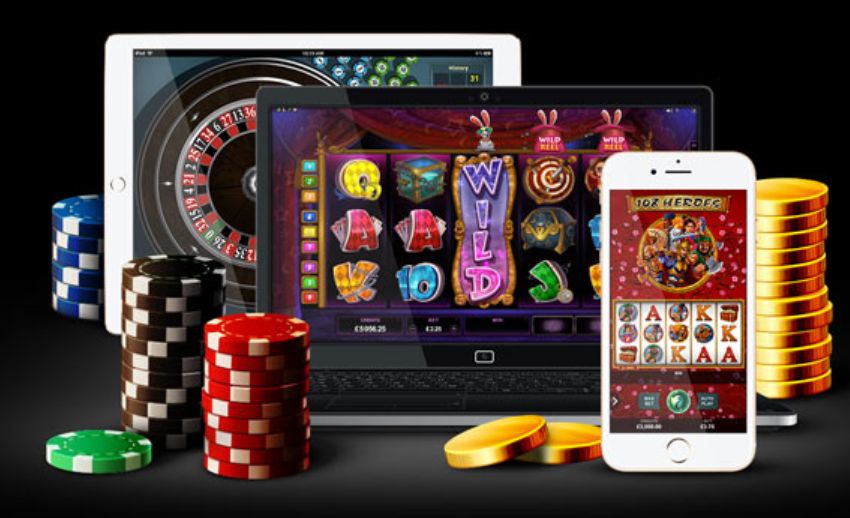
Slot games sit at the heart of this expansion, consistently ranking as the most played category across virtually every online casino platform. Their appeal lies largely in simplicity, since there are no rules to memorize and no strategic decisions required before spinning the reels. Game studios have used this low barrier to entry as a foundation for enormous creative variety, releasing titles themed around mythology, historical eras, blockbuster films, and entirely original fantasy settings. As competition among developers intensified, the underlying mechanics grew more elaborate as well, introducing features such as expanding wilds, cascading reels, and multi-layered bonus rounds that keep gameplay feeling fresh. Progressive jackpot slots have become a particular draw, linking wagers from players across an entire network into a single prize pool that can swell into the millions before someone finally claims it. With hundreds of new slot titles released each month, even long-time players rarely struggle to find something new to try. This nonstop cycle of innovation has made slots not just popular but foundational to how online casinos generate revenue.
Table games continue to hold a firm place within online casinos, appealing especially to players who want an element of skill or strategy layered on top of chance. Blackjack remains a particular favorite in this respect, since disciplined use of basic strategy can reduce the house’s advantage to some of the smallest margins found in any casino game. Roulette offers a different kind of appeal built around visual drama and a wide range of betting options, available in both American and European formats across most platforms. Baccarat has developed a loyal following of its own, known for straightforward rules and a banker bet that carries one of the lowest house edges in the entire industry. Various poker-style games, including Casino Hold’em and three-card poker, blend familiar card mechanics with the fixed-odds structure typical of casino wagering. Digital versions of these games often allow for customizable betting limits and optional side bets, adding flexibility that was rarely available on a physical casino floor. Together, these games preserve a sense of tradition and depth that continues to attract dedicated, strategically minded players.
Live dealer games represent one of the more significant recent developments in online gambling, combining the convenience of digital play with the authenticity of a real casino environment. Through high-definition video streams, players can watch professional dealers manage games in real time, whether shuffling cards, spinning a wheel, or dealing hands at a baccarat table. Multiple camera angles and clear audio give these broadcasts a strong sense of realism that fully automated games often lack. Built-in chat functions allow players to communicate directly with dealers and fellow participants, restoring some of the social atmosphere that many gamblers value from physical casino visits. This format has proven especially popular for blackjack, roulette, and baccarat, where the presence of a real dealer adds a layer of trust and excitement. Operators have invested heavily in dedicated broadcast studios staffed around the clock, ensuring players across different time zones can always find an active table. The category has expanded further into original game show formats that combine trivia, spinning wheels, and traditional betting mechanics into something new for the industry.

Security and regulatory oversight remain essential to the long-term credibility of the online casino industry, since player trust is difficult to build and easy to lose. Licensed operators must comply with strict standards covering the segregation of player funds, transparent terms, and clear procedures for resolving disputes. The random number generators responsible for determining outcomes in digital games undergo regular independent testing, confirming that results remain statistically fair and free from manipulation. Encryption protocols, similar to those used in online banking, protect financial and personal data as it travels between a player’s device and the casino’s servers. Unlicensed operators nonetheless persist in loosely regulated corners of the internet, making it important for players to verify a platform’s credentials before committing any funds. Payment options have broadened considerably in recent years, with e-wallets, bank transfers, and cryptocurrency now sitting alongside traditional cards to suit different regional preferences. As regulatory frameworks around the world continue to mature, the distinction between reputable operators and questionable ones has become increasingly clear to informed players. For more information please visit 1ECL
Mobile technology has done more than perhaps any other factor to reshape the rhythm of online gambling, turning casino games into something people access in short, spontaneous bursts throughout the day. Where early platforms required a desktop computer and a stable connection, modern casinos are designed from the ground up for smartphones and tablets. This shift has changed the nature of gambling sessions, replacing planned evening visits with quick rounds played during a commute, a coffee break, or a few idle minutes at home. Dedicated mobile apps now exist alongside browser-based platforms, offering players multiple convenient ways to reach their favorite games without specialized equipment. Touchscreen interfaces have introduced more intuitive controls, such as swiping to spin a reel or tapping directly on a virtual betting table. Push notifications have become a standard engagement tool, alerting players to new releases, limited-time promotions, and upcoming tournaments in real time. This constant accessibility has boosted engagement across the industry, though it has also intensified conversations around responsible gambling in an environment where impulse and action are separated by only a single tap.
Looking ahead, a number of emerging technologies appear poised to shape the next phase of online casino gaming. Virtual reality platforms, while still relatively early in their development, offer a glimpse of a future where players can walk through a fully rendered digital casino and interact with games in immersive three-dimensional spaces. Artificial intelligence already plays a growing behind-the-scenes role, powering personalized game recommendations, identifying early warning signs of problem gambling, and handling routine customer inquiries through automated systems. Blockchain technology has introduced the concept of provably fair gaming, giving players a way to independently verify that outcomes have not been altered in the operator’s favor. Regulators across major markets continue refining their approach, seeking a balance between protecting consumers and supporting a legitimate, well-taxed industry. Competition among operators remains intense, encouraging continuous investment in new game libraries, loyalty programs, and overall platform quality. As these forces converge, online casino games seem set to remain a lasting and evolving part of digital entertainment, continually adapting to new technology while holding onto the timeless appeal of chance that has defined gambling for centuries.






Leave a Reply