

Gambling has existed in some form for thousands of years, but the arrival of online casino games marked one of the biggest shifts in the industry’s history. Instead of traveling to a physical venue, players can now log into a website or app and access hundreds of games within moments. This transition was driven by improvements in internet infrastructure, encrypted payment processing, and increasingly realistic software that mimics the feel of a real casino. Early online casinos in the mid-1990s were basic and often viewed with suspicion, but decades of refinement have turned the sector into a trusted, heavily regulated industry in many parts of the world. Licensing bodies now require operators to undergo regular audits, publish payout percentages, and implement responsible gambling tools before they can legally offer real-money games. This oversight has helped build the confidence needed for millions of people to deposit money and play from home. As a result, online casino gaming has moved from a fringe curiosity to a fixture of everyday digital entertainment, competing directly with streaming services and mobile games for consumer attention.
Slot games are often the first thing new players encounter, and for good reason, since they require no prior knowledge to enjoy. A player simply selects a bet size and presses a button, letting the game’s random number generator determine the outcome instantly. Despite this simplicity, modern slot titles are anything but basic, featuring intricate animations, licensed soundtracks, and bonus rounds inspired by movies, television shows, and pop culture icons. Features such as tumbling reels, multiplier symbols, and free spin retriggers have added layers of excitement that keep long-time players engaged season after season. Progressive jackpots, which pool a fraction of every wager across a network of casinos, occasionally produce winnings large enough to make international headlines. Because individual spins are quick, slots fit naturally into short breaks throughout a person’s day, unlike table games that may require sustained attention. Developers release new titles constantly, creating a rotating library that keeps the genre feeling fresh even for players who have been gambling online for years. This constant innovation is a major reason slots remain the single most profitable category for most online casino operators.
Table games provide a very different kind of appeal, rewarding players who take the time to learn strategy rather than relying purely on chance. Blackjack is often considered the most strategic of the classic casino games, with a well-established basic strategy chart that can lower the house edge to under one percent when followed precisely. Roulette offers a spectrum of betting choices, from high-risk single-number wagers to safer bets on colors or number ranges, giving players meaningful control over their exposure. Baccarat, historically associated with high-stakes players in exclusive rooms, has become far more accessible online thanks to lower minimum bets and simplified digital interfaces. Craps, though less common online than in physical casinos, still attracts a dedicated following due to its social energy and complex betting layout. Many platforms offer multiple rule variations of these games, allowing players to select versions with better odds or unique side bets not found elsewhere. The ability to review hand histories and betting patterns instantly is another advantage unique to digital table games. Altogether, this category continues to attract players who see casino gaming as much a test of skill and discipline as a form of entertainment.
Live dealer games have introduced a hybrid experience that many players consider the closest thing to being physically present at a casino. These games broadcast a real human dealer operating actual cards, dice, or roulette wheels from a studio, with the footage streamed directly to a player’s device in real time. High-definition cameras positioned at multiple angles allow players to verify outcomes visually, addressing a common concern about trusting purely digital random number generators. Interactive chat features let players communicate with dealers and, in some cases, other players at the same virtual table, replicating a portion of the social atmosphere found in physical venues. Game-show-style live formats, which combine elements like spinning wheels or trivia questions with traditional wagering, have expanded the category well beyond simple digital versions of blackjack or baccarat. Studios producing these broadcasts often run continuously to accommodate international audiences across different time zones, employing professionally trained dealers suited to on-camera work. Although live games are more expensive to produce than standard digital tables, operators have found that player engagement and average session length are noticeably higher, justifying the investment. This category is widely regarded as the fastest-growing segment within the online casino industry today.

Poker stands apart from other casino offerings because players compete against each other rather than against the house itself. Online poker rooms host everything from low-stakes cash games ideal for beginners to massive multi-table tournaments with prize pools rivaling major televised events. The game rewards long-term strategic thinking, and a dedicated community of players treats poker study, including range analysis and opponent profiling, as seriously as athletes approach physical training. Software tools that track hand histories, calculate statistics, and flag betting patterns have become common among more advanced players, adding a technical dimension absent from most casino games. Popular formats like Texas Hold’em and Omaha dominate online lobbies, though niche variants continue to attract loyal audiences of their own. Multi-tabling, where skilled players manage several simultaneous games, has become a signature feature of online poker that has no true equivalent in a physical card room. Because success depends so heavily on skill accumulated over time, poker often occupies a different cultural category from other forms of online gambling, sometimes described as a mind sport rather than pure chance-based entertainment. For more information please visit TFBO
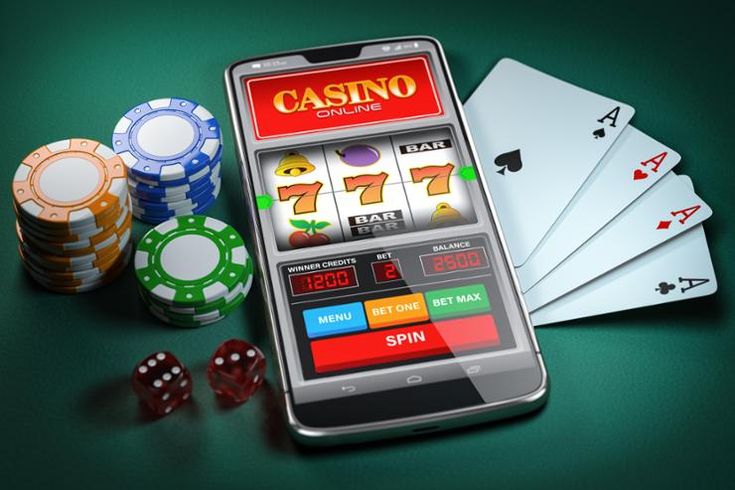
The shift toward mobile devices has reshaped nearly every aspect of how online casino games are built and delivered to players. Developers now design games with mobile users as the primary audience, prioritizing responsive layouts, simplified navigation, and fast loading speeds over the more elaborate desktop interfaces of the past. This mobile-first strategy has opened access to a wider audience of casual players who prefer short gaming sessions during commutes, lunch breaks, or downtime rather than committing to longer desktop sittings. Payment infrastructure has evolved alongside this shift, incorporating digital wallets, biometric login options, and near-instant one-tap deposits that reduce friction for busy users. Push notifications now alert players to time-sensitive promotions, tournament schedules, or personalized bonus offers in ways that traditional websites never could. Progressive web app technology has further blurred the line between browser-based play and a fully downloaded application, giving operators flexibility across different device ecosystems. Enhanced security measures, including two-factor authentication and encrypted storage of financial details, have become standard given the sensitive nature of the data involved. With smartphone adoption continuing to grow worldwide, mobile play is expected to represent an increasingly dominant share of total online casino activity in the coming years.
Looking ahead, several emerging technologies appear poised to shape the next chapter of online casino gaming. Virtual reality prototypes are already being tested by forward-thinking operators aiming to recreate the immersive sensory experience of a physical casino floor within a headset environment. Cryptocurrency payment options have gained traction among tech-savvy players who value the speed and transparency these systems can offer compared to traditional banking methods. Regulatory bodies across numerous countries continue refining licensing standards, requiring greater investment in responsible gambling safeguards and independently verified fairness testing. Artificial intelligence increasingly operates behind the scenes, personalizing game recommendations for individual players while also identifying potentially harmful betting behavior before it escalates into a serious problem. Competition among operators has intensified as a result, pushing companies to invest in exclusive game content, unique studio partnerships, and distinctive branding to stand out in an increasingly crowded marketplace. Regardless of which specific technologies ultimately take hold, the fundamental appeal of chance, strategy, and social connection that defines casino gaming shows every sign of continuing to attract new players well into the future.



Leave a Reply