

The world of gambling has undergone a dramatic transformation over the past two decades, shifting from smoke-filled physical casino floors to sleek digital platforms accessible from any smartphone or laptop. Online casino games have become one of the fastest-growing segments of the global entertainment industry, attracting millions of players who seek the thrill of gambling without leaving their homes. This shift has been driven by advances in internet infrastructure, secure payment systems, and increasingly realistic graphics that replicate the atmosphere of a land-based casino. Players today can access everything from classic card games to cutting-edge video slots at any hour, without the constraints of travel time or dress codes. The convenience factor alone has reshaped how an entire generation views gambling, turning it into a casual pastime rather than a special occasion. As regulatory frameworks have matured in many jurisdictions, licensed online casinos now offer a level of trust and transparency that was once hard to imagine in the earlier, more chaotic days of internet gambling. This evolution shows no sign of slowing down as technology continues to blur the line between virtual and physical gaming experiences.
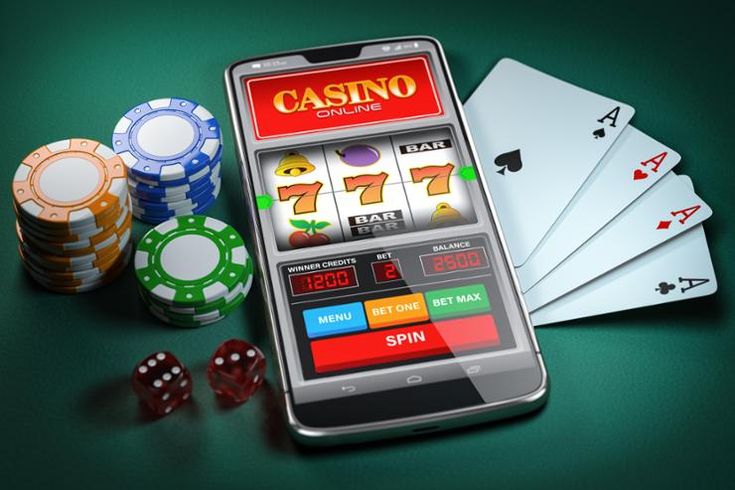
Slot machines remain the most popular category of online casino games, and it is easy to understand why they dominate the market so thoroughly. Digital slots come in an almost endless variety of themes, ranging from ancient mythology and adventure stories to pop culture tie-ins featuring music, movies, and television shows. Unlike their mechanical ancestors, online slots use random number generators to determine outcomes, ensuring that every spin is statistically independent and fair. Many modern slots also incorporate bonus rounds, free spins, and progressive jackpots that can grow into life-changing sums of money. The simplicity of gameplay, requiring no strategy or prior experience, makes slots especially appealing to newcomers who want instant entertainment. Developers continuously push creative boundaries by introducing cascading reels, multiplier chains, and interactive storylines that keep players engaged for longer sessions. Because slots are relatively inexpensive to develop compared to live-dealer games, software studios can release new titles at a rapid pace, keeping the market constantly refreshed with new experiences.

Table games occupy a special place in the online casino ecosystem because they carry the rich history and strategic depth associated with traditional gambling. Blackjack, roulette, baccarat, and poker have all made successful transitions to digital formats while retaining the core mechanics that made them beloved in physical casinos. Blackjack in particular appeals to players who enjoy applying basic strategy charts to reduce the house edge, giving skilled players a genuine sense of control over the outcome. Roulette, with its iconic spinning wheel, offers a different kind of appeal built on suspense and simplicity rather than skill. Online poker rooms have created entire competitive ecosystems, complete with tournaments, leaderboards, and communities of players who treat the game as a serious pursuit rather than casual fun. Baccarat, though less familiar to Western audiences, has found a massive following among players from Asia, where it is often considered the premier casino game. Together, these table games provide a counterbalance to the pure chance of slots, appealing to those who want their decisions to matter. For more information please visit 1ECL
One of the most significant innovations in recent years has been the emergence of live-dealer casino games, which bridge the gap between online convenience and the authentic atmosphere of a physical casino. These games are streamed in real time from professional studios or actual casino floors, featuring human dealers who interact with players through chat functions. The presence of a real person shuffling cards, spinning a roulette wheel, or dealing hands adds a layer of trust and excitement that computer-generated games cannot fully replicate. High-definition cameras capture multiple angles, allowing players to feel as though they are sitting at the table themselves, even from thousands of miles away. Live-dealer blackjack, roulette, and baccarat have become especially popular among players who previously doubted the fairness of purely digital random number generators. Some platforms have expanded this concept further with live game shows that combine elements of television entertainment with traditional betting mechanics. This hybrid model has proven so successful that many analysts now consider live-dealer gaming to be the fastest-growing subsector within the entire online casino industry.
Mobile technology has played an equally transformative role in shaping how people engage with online casino games. The vast majority of online casino operators now design their platforms with a mobile-first approach, recognizing that most players prefer to gamble on smartphones rather than desktop computers. Dedicated mobile apps offer smoother performance, push notifications for promotions, and touch-optimized interfaces that make navigating game libraries effortless. This shift has effectively turned casino gaming into a form of on-the-go entertainment, comparable to checking social media or playing a mobile game during a commute. Developers have had to rethink game design entirely, simplifying visual elements and interface layouts to accommodate smaller screens without sacrificing engagement. The rise of 5G connectivity has further improved the mobile experience, reducing lag in live-dealer streams and enabling richer graphics even on cellular networks. As a result, the boundary between traditional online casinos and mobile gambling apps has essentially disappeared, with most operators treating them as a single unified product.
Despite the entertainment value and technological sophistication of online casino games, the industry carries genuine risks that deserve honest acknowledgment. Gambling can become addictive, and the constant accessibility of online platforms removes many of the natural barriers, like travel time or operating hours, that once limited how much a person could gamble. Reputable operators have responded by introducing responsible gambling tools such as deposit limits, self-exclusion programs, and reality checks that remind players how long they have been playing. Regulatory bodies in many countries now require licensed casinos to display these tools prominently and to fund independent research into problem gambling. Financial risk is another serious concern, since the ease of depositing money digitally can make it harder for players to track their spending compared to using physical cash. Age verification systems have also become more rigorous to prevent underage access, though enforcement quality still varies significantly between jurisdictions. Anyone considering online casino games should approach them as a form of entertainment with an acceptable cost, not as a reliable way to earn income.
Looking ahead, the online casino industry appears poised for continued growth driven by emerging technologies like virtual reality, blockchain-based payments, and artificial intelligence. Virtual reality casinos aim to create fully immersive environments where players can walk through digital casino floors and interact with games in three-dimensional space. Cryptocurrency integration has already given players faster, more private transaction options, and some platforms now operate exclusively using digital currencies. Artificial intelligence is increasingly used behind the scenes to personalize game recommendations and to detect patterns associated with problem gambling before they escalate. Regulatory landscapes will likely continue to evolve as more countries seek to balance economic opportunity with consumer protection. Competition among operators will probably intensify, pushing the industry toward better graphics, fairer odds transparency, and more creative game design. Whatever direction the technology takes, one thing remains clear: online casino games have permanently reshaped how people around the world experience the thrill of gambling.



Leave a Reply